Custom closets and bespoke joinery: why your storage deserves better than wire racks
The case for investing in spaces you see twenty times daily
Most Canadians will happily spend $3,000 on a sofa they use for two hours nightly, yet balk at investing similar amounts in custom closets they interact with at least six times daily. There's a peculiar disconnect in how we value visible versus hidden spaces, as though the quality of our morning routine somehow matters less than our living room aesthetic. Yet a thoughtfully designed custom closet with bespoke joinery can genuinely transform daily life, turning chaotic mornings into calm rituals and making "I have nothing to wear" complaints obsolete by actually showing you everything you own.
What bespoke joinery actually means (and why it matters)
"Bespoke joinery" sounds rather fancy, perhaps unnecessarily so. But it simply means woodwork custom-built for your specific space using traditional carpentry techniques rather than mass-produced components. The difference becomes apparent when you compare a custom closet crafted with dovetail joints, solid hardwood, and hand-fitted drawers to the particleboard alternative held together with cam locks and optimistic thinking.
Bespoke joinery for custom closets considers peculiar room dimensions: that awkward alcove, the sloped ceiling in your heritage home, the structural beam you can't remove. Rather than forcing standardized solutions into non-standard spaces, skilled carpenters build around your architecture, creating storage that feels deliberately designed rather than grudgingly accommodated. One Toronto joiner describes measuring clients' actual clothing (longest dress length, jacket shoulder width, shoe collection depth) then designing custom closet systems with these specific dimensions, eliminating wasted space between shelves or rods positioned too high to reach comfortably.
Planning custom closets: start with brutal inventory
Before discussing walnut versus oak or debating drawer pull styles, empty your entire closet and conduct an honest audit. How many items do you genuinely wear? What categories dominate: long dresses or folded sweaters, extensive shoe collections or mainly accessories? Do you prefer hanging or folding? These answers dictate whether your custom closet should prioritize hanging space, drawer storage, or open shelving.
Canadian wardrobes often span extreme seasonal variations, with bulky parkas coexisting with summer linens. Your custom closet needs to accommodate winter boots without sacrificing sandal storage, housing heavy sweaters during summer without claiming valuable real estate year-round. Smart bespoke joinery includes adjustable shelving that transforms seasonally, pull-down rods for off-season storage, and ventilated drawer boxes that prevent mustiness during humid Toronto summers or dry Calgary winters.
The details that separate adequate from exceptional
What elevates custom closets from simply "nice storage" to "why didn't I do this sooner"? The small carpentry details that demonstrate someone actually thought about how you'd use the space daily.
Jewelry drawers lined with felt, divided precisely for your collection. Belt and tie racks positioned where you can see everything simultaneously rather than rummaging blindly. Shelf heights that accommodate handbags upright (maintaining their shape) rather than stacked and crushed. Pull-out mirrors positioned to catch natural light. Proper lighting integrated into bespoke joinery rather than awkwardly added afterward. Small velvet-lined compartments for watches or delicate items. These custom closet refinements cost marginally more but deliver disproportionate satisfaction every single morning.
Drawer construction particularly reveals joinery quality. Dovetail joints (those interlocking fingers visible at drawer corners) have survived centuries because they're genuinely superior. They handle the repeated stress of daily opening and closing without loosening, unlike cheaper alternatives that develop that infuriating wobble within months. Custom closets built with proper joinery techniques remain tight and smooth for decades, while bargain alternatives often require replacement before your wardrobe does.
Investment reality: custom closets and resale value
Quality custom closets typically cost $2,000-$8,000 depending on size and complexity, similar to bathroom renovations but often delivering greater daily impact. Canadian real estate agents consistently note that well-designed primary bedroom closets influence buying decisions significantly, particularly in competitive urban markets like Vancouver, Montreal, and Toronto where storage space commands premium value.
However, the genuine return isn't primarily financial. It's temporal and psychological. Reclaiming fifteen minutes each morning previously spent searching for clothing, eliminating decision fatigue from visible clutter, and actually enjoying your wardrobe because you can see and access everything transforms daily life in ways that transcend appraisal values. One Montreal homeowner describes her custom closet as "the renovation I didn't know would matter most," outperforming her kitchen update in sheer daily satisfaction.
Beyond bedrooms: bespoke joinery throughout your home
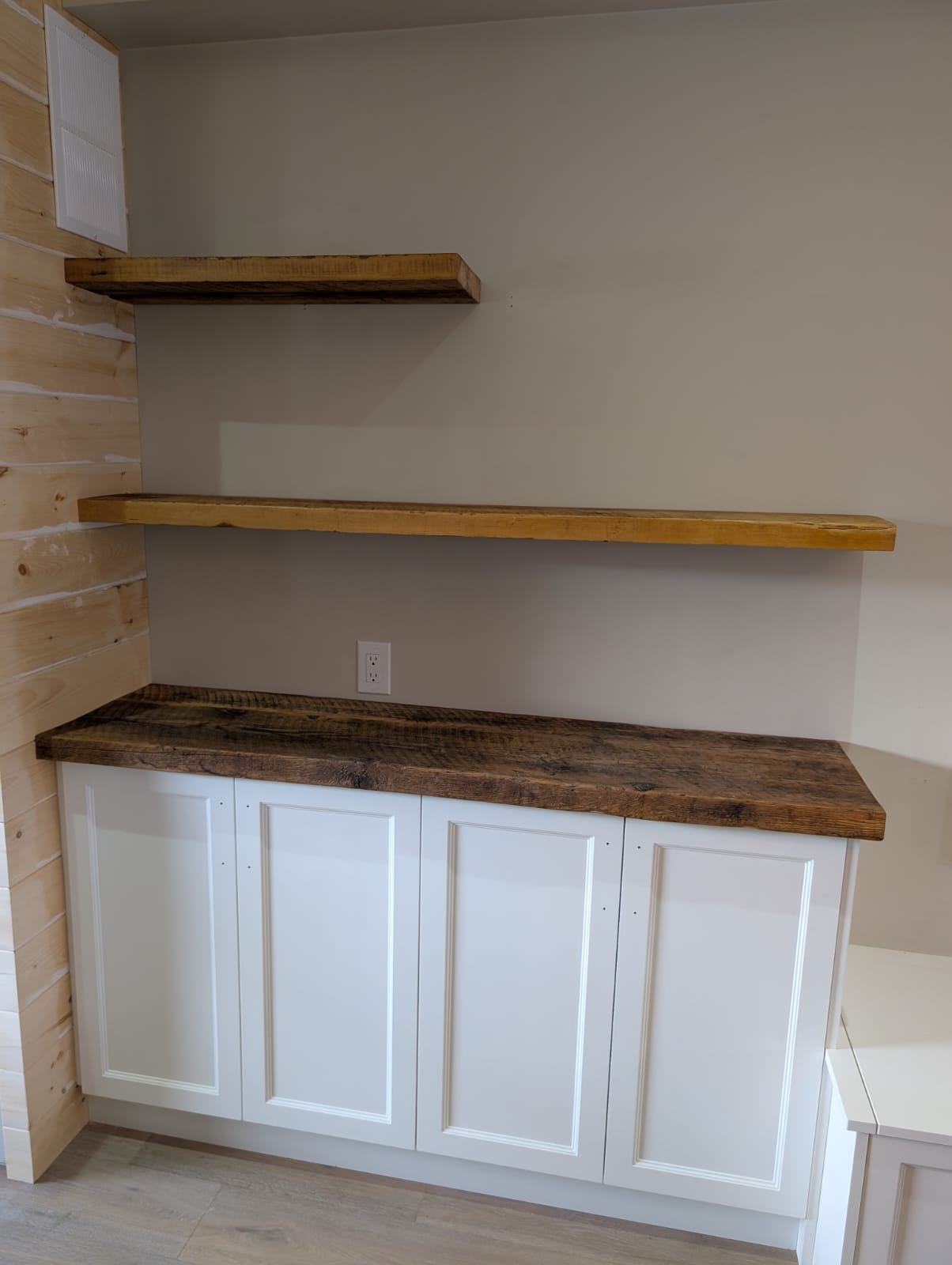
The techniques and benefits of custom closets and bespoke joinery extend far beyond bedroom wardrobes. Mudrooms benefit enormously from custom built-ins designed around your family's actual gear: precisely sized cubbies for hockey equipment, ventilated compartments for damp winter boots, shallow drawers for dog leashes and car keys positioned exactly at hand height.
Home offices transform with custom joinery that conceals cables, provides exactly correct monitor heights, and creates storage matching your actual files and supplies rather than generic assumptions. Even linen closets become remarkably more functional when shelves are spaced for your actual towel stack heights and sheet set quantities rather than arbitrary standard measurements.
The quiet luxury of bespoke joinery isn't about showcasing expensive materials. It's about daily ease created through thoughtful custom carpentry that makes your specific life work better. That's worth considerably more than wire racks could ever deliver.
Frequently asked questions
How much does a custom closet cost in Canada?
Custom closet costs typically range from $2,000 for a simple reach-in closet to $8,000+ for a large walk-in with extensive bespoke joinery. The price depends on closet size, wood species selected, complexity of design features, and hardware quality. Canadian pricing reflects both materials and skilled carpentry labour, with urban markets like Toronto and Vancouver at the higher end of this range.
How long does it take to build and install a custom closet?
Expect 4-6 weeks for a custom closet project from initial consultation to installation. This includes design consultation (1 week), workshop fabrication of bespoke joinery components (2-3 weeks), and on-site installation (1-2 days for most closets). Complex walk-in closets with extensive built-ins may require 8 weeks. Quality custom carpentry cannot be rushed without compromising joinery standards.
What's the difference between custom closets and closet organizer systems?
Custom closets are built specifically for your space using bespoke joinery techniques, solid wood construction, and traditional carpentry methods like dovetail joints. Closet organizer systems use modular components that adapt to various spaces but cannot accommodate unique architectural features. Custom closets offer superior longevity (20+ years), better space utilization, and personalized design, while organizer systems provide faster installation at lower cost.
What type of wood is best for custom closet construction?
Canadian hardwoods like maple and oak provide excellent durability for custom closets, resisting warping and maintaining joinery integrity through seasonal humidity changes. Cedar offers natural moth-repellent properties, making it ideal for seasonal storage areas. Walnut creates beautiful aesthetic warmth but costs considerably more. Your carpenter can recommend wood species based on your specific climate (humid coastal regions versus dry prairie conditions), budget, and aesthetic preferences.
Do custom closets increase home resale value?
Quality custom closets typically recoup 50-75% of their cost at resale, with higher returns in competitive urban Canadian markets where storage space commands premium pricing. However, the primary value comes from daily use rather than resale. Real estate agents consistently report that well-designed primary bedroom closets influence buyer decisions significantly, particularly for properties targeting professionals and families who value organization and quality craftsmanship.
Can custom closets accommodate seasonal clothing storage for Canadian climates?
Yes, this is precisely where bespoke joinery excels. Custom closets designed for Canadian wardrobes incorporate adjustable shelving, pull-down rods for off-season storage, ventilated compartments preventing mustiness, and precisely sized sections for both bulky winter wear and lightweight summer clothing. Smart design allows seasonal rotation without requiring external storage units, with some homeowners incorporating vacuum-storage compatible sections or climate-controlled areas for delicate fabrics.
How do I maintain custom closets with bespoke joinery?
Quality bespoke joinery requires minimal maintenance. Wipe wooden surfaces with slightly damp cloth monthly, avoiding harsh chemicals that damage wood finishes. Check and tighten hardware annually. Use shelf liners to protect surfaces from sharp objects. Maintain consistent home humidity (40-50%) to prevent wood expansion and contraction that can affect drawer operation. Properly constructed custom closets with dovetail joinery and quality finishes should function smoothly for decades with this basic care.