Why custom sauna carpentry is Canada's newest winter wellness trend
With Canadian winters stretching well below -20°C across much of the country, it's no surprise that more homeowners are embracing Nordic wellness traditions. Custom-built saunas—crafted with expert carpentry techniques and quality materials—are transforming basements, spare bathrooms, and backyard spaces into year-round wellness retreats. Unlike prefabricated kits that arrive flat-packed and disappointing, bespoke sauna carpentry allows you to create an authentic Finnish experience tailored to your home's unique architecture and your family's needs.
What makes custom sauna carpentry different?
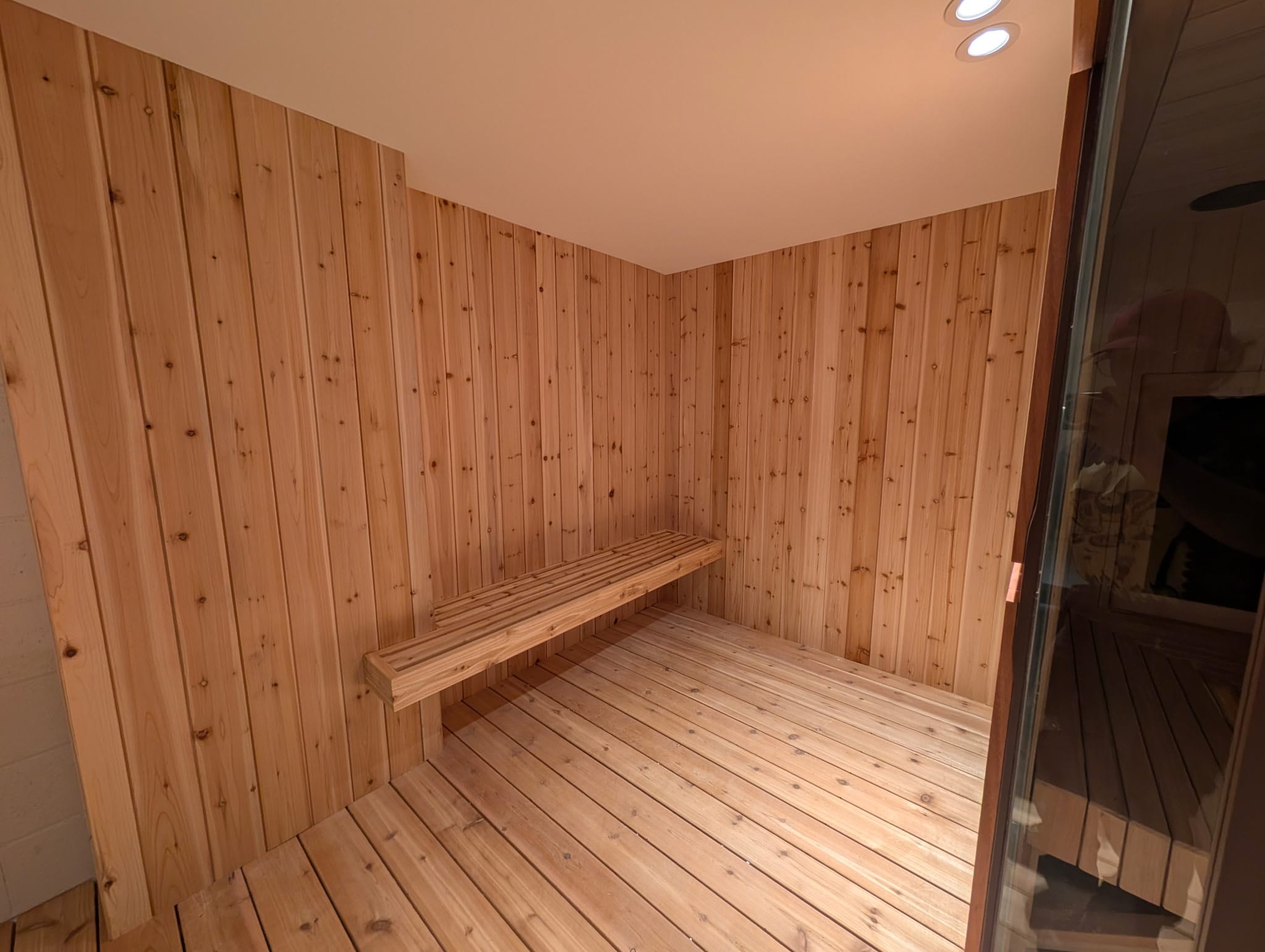
A properly crafted sauna isn't simply a hot room with wooden benches. It requires specialized custom carpentry knowledge spanning material selection, traditional joinery techniques, and precise understanding of heat, ventilation, and moisture management. Canadian cedar and hemlock—both naturally resistant to moisture and wonderfully aromatic when heated—are ideal choices, offering superior performance compared to imported materials while supporting local forestry. There's something deeply satisfying about building with wood that actually grew in the same climate it will serve.
Expert sauna carpentry involves creating tiered benches positioned strategically for optimal heat distribution, installing tongue-and-groove wall paneling that allows natural wood movement, and crafting ventilation systems that maintain air quality without compromising heat retention. The benches themselves demand particular attention: smooth, rounded edges prevent burns, while ergonomic design ensures comfortable extended sessions. Many custom carpenters incorporate steam-bent slats or contoured seating—techniques that elevate a basic sauna into a truly therapeutic space.
The Canadian advantage: Space and cost efficiency
Unlike our Scandinavian counterparts who might dedicate entire outbuildings to their saunas, Canadian custom carpentry excels at maximizing existing space. Converting an unused bathroom, basement corner, or even a child's former bedroom (now they've left for university, why not?) into a home sauna typically requires just 2x2 to 4x2 metres—smaller than most walk-in closets. One Toronto carpenter reports transforming garage spaces and underutilized basements into stunning cedar retreats that serve families year-round.